Category Archives: Public View

All pages are restricted to logged in viewers except those with Category “Public View”

NASADAD Staff

NASADAD staff members can be reached via e-mail and phone:

Telephone number: (202) 293-0090

Office of the Executive Director

Robert Morrison

Executive Director and Director Legislative Affairs

X4862, rmorrison@nasadad.org  no photo

Click to view biography...

Robert Morrison first came to the National Association of State Alcohol and Drug Agency Directors (NASADAD) in 1998 when he worked on legislative and regulatory affairs as Public Policy Associate. Robert then broadened his health care portfolio by serving as Associate Director of Government Relations at Smith, Bucklin and Associates from 1999 to 2001 where he directed government affairs programs for a variety of organizations, including the American Psychiatric Nurses Association. Robert returned to NASADAD in 2001 as Director of Public Policy and went on to become Deputy Executive Director; Interim Executive Director; and, in 2009, Executive Director. Robert began his career working for the late U.S. Senator Frank R. Lautenberg (NJ) for approximately four years, spending his last two years as a Legislative Aide. In 2013, Robert re-assumed the lead for the Association’s legislative and regulatory affairs program – returning to the type of work that originally brought him to NASADAD. Robert graduated from Drew University in New Jersey with a B.A. in Political Science and completed graduate work in American Government at the Johns Hopkins University.

Michael Langer

Senior Advisor and Membership Services Liaison

, mlanger@nasadad.org  no photo

Click to view biography...

Michael Langer has joined NASADAD as a Senior Advisor and Membership Services Liaison. Michael retired from the State of Washington earlier this year, having served within the SSA for Substance Use and Mental Health since 1986. During his State service, he was actively involved with NASADAD for nearly 30 years. In his role as SSA, he served in leadership positions on the NASADAD Board of Directors. He further contributed to the association by serving within the Network Prevention Network (NPN) and the National Treatment Network (NTN).

Michael is joining NASADAD as a part-time staffer where we will leverage his vast experience to enhance our capacity to serve members as they join NASADAD and serve their home State/jurisdiction SSA offices. He will also be advising NASADAD senior leaders and staff on federally funded projects designed to support our membership.

Fachon James-Simpson

Member Services Coordinator/Meeting Planner

X4867, fsimpson@nasadad.org  no photo

Click to view biography...

Fachon Simpson is currently a Membership Services Coordinator/Meeting Planner at NASADAD. She has performed a wide range of executive/administrative duties for the Executive Director/Director of Legislative Affairs, Deputy Executive Director/ Research and Program Applications, and Director of Finance for over 10 years. Fachon provides services for planning and staging the membership’s Annual/Board Meetings and all other NASADAD meetings. She is responsible for hotel contracts, meeting rooms set-up, meeting logistics, arranging exhibitors, travel, lodging, audio/visual equipment set-up, registration and development and distribution of meeting materials.  Ms. Simpson is also responsible for scheduling conference calls and meetings, responding to membership requests for technical assistance, disseminating information via e-mail and fax, and the staging of meetings.

Ms. Simpson also performs various tasks within NASADAD’s Department of Finance. Her duties include preparing invoices and purchase orders; collecting membership dues; developing spreadsheets and inputting data; and tracking membership funds.

Antony Lin, MPH

Public Policy Intern

X4879, alin@nasadad.org  no photo
Click to view biography...

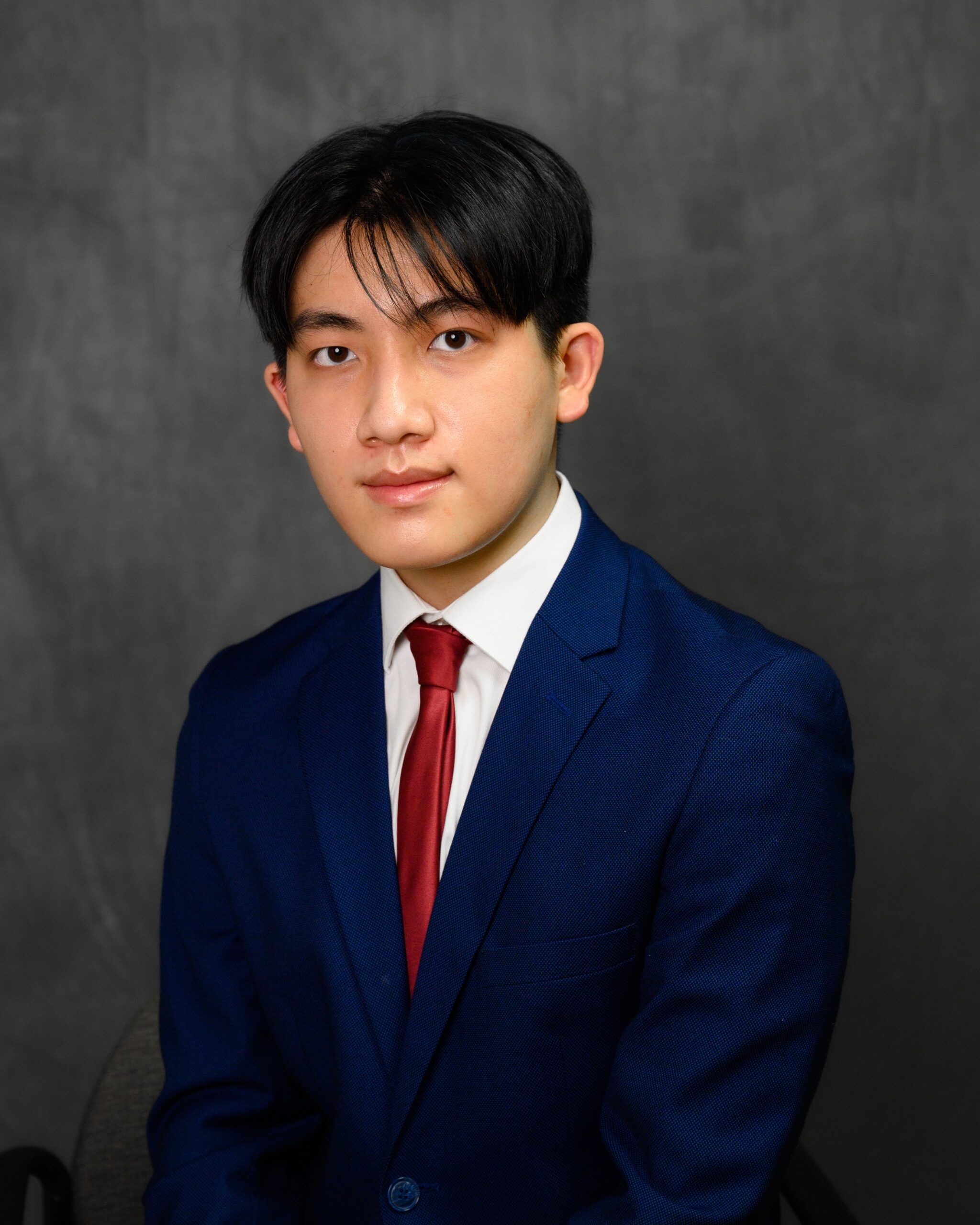
Antony Lin is a Public Policy Intern at the National Association of State Alcohol and Drug Agency Directors (NASADAD), where he supports the Executive Director on legislative and regulatory matters related to substance use disorders and assists with congressional and stakeholder engagement. He is a Master of Public Policy student at Georgetown University’s McCourt School of Public Policy.

Antony completed his undergraduate studies at the University of California, Los Angeles, between 2020 and 2022, earning a Bachelor of Science in Anthropology as well as his Master of Public Health in Chronic Disease Epidemiology at the Yale School of Public Health between 2023 and 2025. Antony also has experience working at both the site and sponsor levels of clinical trials as well as in pediatrics and oncology research.

Financial and Management Information Systems

Hollis McMullen

CFO/MIS Director

X4868, hmcmullen@nasadad.org  no photo

Yong Liu

Accounting Manager

X4866, yliu@nasadad.org  no photo

Research and Program Applications

Melanie Whitter

Deputy Executive Director

X4873, mwhitter@nasadad.org  no photo

Click to view biography...

Melanie Whitter is the Deputy Executive Director for the National Association of State Alcohol and Drug Agency Directors (NASADAD). In this role, she facilitates the translation of research and knowledge into state practice, sharing state evidence-based and best practices across the nation, and identifying state problems and issues that merit further study and research; provides technical assistance to the NASADAD membership; and coordinates and facilitates timely information exchange to the States concerning policies, programs and practices in the substance use disorder field.

Prior to her role at NASADAD, she held the position of Principal Associate and led Abt Associate’s Behavioral Health Practice. She has also held the position of Single State Authority for alcohol and other drug services for the State of Illinois and served on the NASADAD Board of Directors, as the Vice-President for Treatment, and as a Regional Director. She is a member and served on the Board of the College for Behavioral Health Leadership. Over her career, she has been recognized for her commitment to advancing system change by building workforce and infrastructure capacity, creating and sustaining partnerships, and emphasizing research and evaluation.

Doug Fuller, PhD

Associate Director of Research and Program Applications

X4875, dfuller@nasadad.org  no photo

Click to view biography...

Douglas Fuller, Ph.D., joined NASADAD in May 2020. He currently works as the National Treatment Network (NTN) Team Leader and serves as a task leader for other technical assistance and research projects. Dr. Fuller’s experience includes serving as a senior health researcher with over 20 years of experience focused on HIV/AIDS, substance use disorder (SUD) treatment services, criminal justice, veteran wellness, and conducting research with historically underserved populations. He brings expertise in strategic planning, contract management and acquisition, project budget monitoring, collaborative engagement, technical assistance, technical writing, and research development, implementation, and reporting. Dr. Fuller received his doctorate in sociology from Howard University in 2005.

Tracy Tlumac Flinn, EdD

Associate Director for Planning and Program Management

X4865, tflinn@nasadad.org  no photo

Click to view biography...

Tracy Flinn, Ed.D., joined NASADAD in September 2013 as a Senior Research Analyst primarily working with the State and Territory Prevention Directors. In this role, Dr. Flinn provides and arranges for technical assistance to state and territorial substance use prevention directors; coordinates topic calls and webinars; develops fact sheets and other resources; coordinates the annual National Prevention Research Conference and Prevention Leadership Summits; and oversees and manages day-to-day project implementation.

Dr. Flinn has over 20 years of experience working in prevention at the national, state, and local levels, and is a senior expert in substance use prevention strategies, project management, training and technical assistance, and alcohol and drug research, trends, and policies. She was previously the Associate Director of the U.S. Department of Education’s Higher Education Center for Alcohol, Drug Abuse, and Violence Prevention. Dr. Flinn also directed the Robert Wood Johnson Foundation funded “A Matter of Degree” coalition at the University of Delaware, where she implemented environmental prevention strategies to reduce alcohol and other drug problems among students and established a statewide prevention coalition of colleges and universities. She received her doctorate in higher education administration and educational leadership from the University of Delaware in 2007.

Mellie Randall

Senior Research Analyst

N/A, mrandall@nasadad.org  no photo

Click to view biography...

Mellie Randall works with the State Opioid Treatment Authorities and on opioid research and technical assistance projects. She has over 30 years of experience in state government, having worked as the Single State Agency Director and National Treatment Network representative for the Virginia Department of Behavioral Health and Developmental Services. She managed the administration of the SAPT Block Grant as well as discretionary grants, led collaborative projects across sectors of state government, and participated in several national projects. She also led efforts to establish access to medication assisted treatment (MAT) in rural Virginia and, with the advent of STR funding, implemented MAT in all 40 of Virginia’s publicly funded behavioral health organizations. Mellie was an integral part of the team that designed, obtained and implemented one of the first CMS SUD waivers.

Becky Vaughn, MSEd

Senior Research Analyst

X4872, bvaughn@nasadad.org  no photo

Click to view biography...

Becky Vaughn supports a variety of treatment and recovery projects for NASADAD. She has been working in the treatment and recovery field for over 40 years. Beginning her career at St. Jude’s Recovery Center in Atlanta, GA, Ms. Vaughn’s work turned to public policy and association leadership in 1992 when she established The Georgia Council on Substance Abuse (GCSA), the first treatment services provider association in Georgia. As CEO of GCSA, her work focused on legislative advocacy on issues concerning prevention, treatment, recovery, homelessness, and drug courts including passage of many bills and securing funding for programmatic resources.

In 2008, Ms. Vaughn joined the State Associations of Addiction Services (SAAS) as their CEO. Following their merger with the National Council for Behavioral Health, Ms. Vaughn served as the Vice President for Addictions, building the addiction presence and services at the Council until 2016. Following her tenure at the National Council, Ms. Vaughn joined the Colombo Plan in Sri Lanka and served as their Director of the Global Centre for Credentialing and Certification (GCCC) until 2023, spreading the important message of workforce development and a well-trained and credentialed workforce. Ms. Vaughn has served on numerous state and US federal committees/panels and has spoken on the topic of substance use, treatment, and recovery to a variety of stakeholders.

Shanthy Edward, PsyD

Senior Communications Specialist

N/A, sedward@nasadad.org  no photo

Click to view biography...

Shanthy Edward, PsyD, joined the NASADAD as a part-time Senior Communications Specialist. Leveraging Dr. Edward's diverse background, she will promote the Associations policies and activities, as well as support research and technical assistance projects. Dr. Edward brings a unique blend of clinical psychology and strategic communication expertise to her role. With a career that started in underserved areas, Dr. Edward quickly realized the crucial role of effective communication in addressing complex issues affecting individuals and communities. This realization led her into non-profit leadership roles, strategic communications positions, and strategic growth roles where she has made a lasting impact.

Dr. Edward has worked in direct service environments serving individuals, families, and communities experiencing a broad range of needs, including substance use disorders and mental disorders/intellectual disabilities. In addition, she is an expert in strategic communications, marketing, advocacy, and content development. She has crafted presentations, reports, speeches, white papers, video scripts, podcasts, and more for people and organizations with diverse needs and audiences. She has also led strategic planning, revenue growth, and business development, including within the substance use disorders and mental health fields.

Claire Gray

Research Analyst II

X4864, cgray@nasadad.org  no photo

Click to view biography...

Claire Gray supports various technical assistance and research projects at NASADAD. She previously supported the Prevention and Treatment Learning Communities as a Research Associate. Before coming to NASADAD she worked with a community coalition in Baltimore, supporting environmental strategies for substance use prevention. Claire received a B.A. in Public Health and Global Environmental Change & Sustainability from Johns Hopkins University.

Emma Neller

Research Associate I

, eneller@nasadad.org  no photo

Click to view biography...

Emma Neller is a Research Associate who works with the National Prevention and Treatment Networks and supports the state Prevention and Treatment Coordinators. Before coming to NASADAD she held a fellowship position working with the Washington State Health Care Authority, where she supported substance use disorder prevention services throughout Washington State. Emma received a B.A. in Public Health-Global Health from the University of Washington.

Cara Dufresne, MPH

Research Associate

X4874, cdufresne@nasadad.org  no photo

Click to view biography...

Cara Dufresne, MPH, joined NASADAD as a Research Associate supporting the Prevention, Women’s Services, and Youth Coordinators in October 2024. Before coming to NASADAD, she worked as a Youth Coordinator for a regional coalition outside of Boston, MA, focused on substance use initiation prevention strategies. She also has experience with college campus substance use prevention and harm reduction efforts and has previously engaged in policy work surrounding alcohol home delivery. Cara received her B.A. in Community Health from Tufts University and her MPH with a concentration in Maternal and Child Health from The George Washington University.


About Us

The National Association of State Alcohol and Drug Agency Directors, Inc. (NASADAD) is a private, not-for-profit educational, scientific, and informational organization. The Association was originally incorporated in 1971 to serve State Drug Agency Directors, and then in 1978 the membership was expanded to include State Alcoholism Agency Directors.

NASADAD’s basic purpose is to foster and support the development of effective alcohol and other drug use prevention and treatment programs throughout every State. The Board of Directors is composed of a President, First Vice President, Vice President for Treatment, Vice President for Internal Affairs, Vice President for Prevention, Past President, Secretary, and Treasurer, as well as 10 regional representatives elected by the Association members in the region. The Washington, DC, office is headed by an Executive Director and includes divisions concerned with Research and Program Applications, Prevention Services, and Public Policy.

NASADAD Activities

NASADAD is authorized by the Board of Directors to engage in any or all of the following activities:

  • To represent member States on Association policies and issues before Congress, Executive Branch, governmental, and allied organizations as directed by the Board of Directors;
  • To promote, plan, develop, expand, and utilize educational materials and scientific activities within the fields;
  • To coordinate and facilitate timely information exchange to the States concerning policies of various constituencies with the alcohol, other drug use, and related field;
  • To respond to appropriate requests for contracts, grants and other funding opportunities that will facilitate the Association carrying out its goals of serving States; and
  • To establish and secure adequate resources to accomplish all goals and objectives outlined in the annual program of work or otherwise directed by the Board of Directors.

NASADAD Objectives

As stated in its bylaws, NASADAD’s objectives are:

  • To facilitate the translation of research and knowledge into practice and identifies problems and issues that merit further study and research;
  • To foster communication and collaboration with other organizations and national associations that interface with issues of substance use;
  • To promote training within the field of substance use prevention and treatment as well as cross-training in other systems;
  • To provide technical assistance to its membership;
  • To promote the establishment of national standards for quality assurance, outcomes, and performance;
  • To shape public policy positions that advance the provision of effective prevention and treatment services and increase funding for same; and
  • To maintain a stable base of funding to ensure continued long-term financial viability.

NASADAD Collaborations

NASADAD serves as a focal point for the examination of alcohol and other drug related issues of common interest to both other national organizations and federal agencies. Federal agencies and organizations with which NASADAD has worked include:

  • Army National Guard
  • Community Anti-Drug Coalitions of America (CADCA)
  • Center for Medicaid/Medicare Services (CMS)
  • Center for Prevention Methodology and Implementation
  • International Certification and Reciprocity Consortium (IC&RC)
  • National Association for State Mental Health Program Directors (NASMHPD)
  • National Fetal Alcohol Spectrum Disorder Technical Assistance Center
  • National Institute on Alcohol Abuse and Alcoholism (NIAAA)
  • National Institute on Drug Abuse (NIDA)
  • Office of National Drug Control Policy (ONDCP)
  • Social Security Administration (SSA)
  • Substance Abuse and Mental Health Services Administration (SAMHSA) and its Centers on Substance Abuse Treatment and Prevention (CSAT and CSAP), the Health Resources and Services Administration (HRSA)
  • Society for Prevention Research (SPR)
  • U.S. Department of Education (ED)
  • U.S. Department of Justice (DOJ)
  • U.S. Department of Transportation (DOT)


NASADAD is a 501(c)(3) tax-exempt organization and does not engage in lobbying or electoral political activities.


NASADAD Strategic Framework

StrategicFramework


HIV Coordinators

The HIV Coordinators were organized under the SAMHSA/CSAT State Collaborative Activities Grant to NASADAD. HIV Coordinators are assigned by the NASADAD member to manage the SAPT Block Grant activities regarding the HIV set-aside. This funding requires that designated States utilize a portion of SAPT Block Grant funds for Early Intervention Counseling and Testing. NASADAD hosts quarterly conference calls with the HIV Coordinators in selected States and SAMHSA staff to give the HIV Coordinators a chance to exchange information with SAMHSA, receiving updates about Federal initiatives and guidance on issues and questions. The calls also allow participants to hear from national and State speakers on innovative practices and services that address special populations.

Opioid Treatment Network

OTN Logo


The Opioid Treatment Network (OTN) is a specialty NASADAD component group within the National Treatment Network dedicated to developing and promoting quality services for those with an opioid use disorder (OUD). The OTN works to ensure compliance of individual opioid treatment programs (OTPs) with federal and State and opioid treatment standards. The members of the OTN are the designated State Opioid Treatment Authorities (SOTAs), who have lead responsibility for opioid treatment oversight and federal regulation compliance within their States/Territories.


Role of the State Opioid Treatment Authority (SOTA)

Download (PDF, 170KB)

Women’s Services Network

WSN Logo

The Women’s Services Network (WSN) is a specialty NASADAD component group within the NTN dedicated to effective service delivery for women and their families. The members of the WSN, or Women’s Services Coordinators, are representatives of the SSAs and are designated to lead women-specific substance use issues. The WSN ensures that the unique treatment and recovery needs of women and their families are addressed and facilitates collaboration with other public and private service agencies that serve women and their families.


Resources


Capacity and Management Workgroup

September 28, 2018

Capacity and Management Workgroup Co-Chairs: Michelle Tilotta (IA), Ruthie Dallas...

Read More

Continuum of Care Subcommittee

September 26, 2018

Continuum of Care Call Summary: Services in the Criminal Justice...

Read More

Learning Collaborative Subcommittee

December 2, 2015

Learning Collaborative Subcommittee Mission Statement: To enhance the WSN's knowledge...

Read More

WSN Executive Committee Call Summaries

August 27, 2015

WSN Coordinating Committee Call Summary (May 23, 2019) WSN Coordinating...

Read More

2015 WSN Business Day

June 23, 2015

WSN Business Day at the NASADAD/NPN/NTN/WSN Annual Meeting 2015 Business...

Read More

NASADAD releases fact sheet on neonatal abstinence syndrome

June 8, 2015

The fact sheet provides information about neonatal abstinence syndrome (NAS)...

Read More

2014 WSN Business Day

August 15, 2014

WSN Business Day at the NASADAD/NPN/NTN Annual Meeting 2014 Business...

Read More

WSN Regional Reports (2/26/14)

February 24, 2014

Regional Reports, February 26, 2014, WSN Executive Committee Call Region...

Read More

WSN Regional Reports (11/25/13)

November 22, 2013

Region I Connecticut Maine Rhode Island Region II New Jersey...

Read More

WSN Regional Reports (10/9/13)

October 31, 2013

Regional Reports, October 9th, 2013 WSN Executive Committee Call Region...

Read More

Therapeutic Services for Children

September 19, 2013

NASADAD Research Report Therapeutic Services for Children Whose Parents Receive...

Read More

Block Grant Set-Aside for Pregnant Women and Women with Dependent Children

August 20, 2013

SAMHSA Advisory Committee for Women’s Services (ACWS) August 2013 SAMHSA...

Read More

2012 WSN Business Day

November 20, 2012

WSN Business Day at the NASADAD/NPN/NTN Annual Meeting 2012 WSN...

Read More

Inquiries:

June 29, 2011 Read More

2008 WSN Business Day

June 29, 2011

2008 WSN Business Day Agenda 2008 WSN Business Day Minutes

Read More

2009 WSN Business Day

June 29, 2011

2009 WSN Business Day Agenda

Read More

2010 WSN Business Day

June 29, 2011

2010 WSN Business Day Agenda 2010 WSN Business Day Minutes

Read More

2011 WSN Business Day

June 28, 2011

Agenda and Minutes Agenda DRAFT Minutes Subcommittee Products Criminal Justice...

Read More

Outcomes Data Subcommittee Inquiries

June 27, 2011

Reports, Presentations, and Internet Links on Women's Services

Read More

Former WSN Subcommittees

June 27, 2011

Former WSN Subcommittees Women’s Treatment Standards Subcommittee Mission Statement: Dedicated...

Read More

WSN Conference Presentations

June 27, 2011

SAMHSA Advisory Committee for Women's Services (ACSW) August 2013 Starleen...

Read More

WSN Inquiries

June 27, 2011

Gender-Specific Resource Assessments 10.30.2018 Grandparents Raising Grandchildren Commission 10.12.2018 Programs...

Read More

2013 WSN Business Day

June 27, 2011

WSN Business Day at the NASADAD/NPN/NTN Annual Meeting 2013 WSN...

Read More

Recovery Supports Subcommittee

June 27, 2011

Mission Statement: To advocate for the integration of gender responsive...

Read More

Pregnant and Parenting Subcommittee

June 27, 2011

Pregnant & Parenting Women Subcommittee Mission Statement: To educate policymakers...

Read More

Outcomes Data Subcommittee

June 27, 2011

Outcomes Data Subcommittee Mission Statement: Dedicated to increased access to...

Read More

WSN Criminal Justice Subcommittee

June 27, 2011

Criminal Justice Subcommittee Mission Statement: Dedicated to the improvement and...

Read More

WSN Executive Committee Calls

June 27, 2011

Executive Committee Contact List WSN Executive Committee (7/16/2013) Executive Committee...

Read More

Women’s Service Network (WSN)

February 18, 2011

WSN Contact List 6.14.2011 Executive Committee Calls Subcommittees: The Criminal...

Read More

Women’s Services Network

December 22, 2010

The Women’s Services Network (WSN) is a specialty NASADAD component...

Read More

National Treatment Network

NTN-Logo


The National Treatment Network (NTN) is a NASADAD component group dedicated to a quality and cost-effective publicly funded substance use disorder (SUD) treatment system designed to service diverse populations. The NTN members, or Treatment Coordinators, are appointed by Single State Agency (SSA) Directors for alcohol and drug services and have lead responsibility for treatment issues. They are responsible for planning and implementing publicly funded treatment services with the SSA.

National Prevention Resources

Below is information about organizations that maintain a strong focus on alcohol and other drug (AOD) abuse prevention. This list is not exhaustive and does not necessarily indicate an endorsement by NASADAD.

  • Administration for Children and Families (ACF) — The Administration for Children and Families (ACF) is a division of the Department of Health & Human Services. We promote the economic and social well-being of families, children, individuals and communities.
  • Alcohol Policy Information System (APIS) The Alcohol Policy Information System (APIS) provides detailed information on a wide variety of alcohol-related policies in the United States at both the State and Federal levels. Detailed, state-by-state, information is available for 33 policies. APIS also provides a variety of informational resources of interest to alcohol policy researchers and others involved with alcohol policy issues.
  • Brandeis University PDMP Center of Excellence — Funded by grants from the U.S. Department of Justice, Bureau of Justice Assistance, the Prescription Drug Monitoring Program (PDMP) Center of Excellence was founded in 2010 at the Schneider Institutes for Health Policy, Brandeis University. The Center partners with the PDMP Training and Technical Assistance Center at Brandeis to combat the prescription drug abuse epidemic. The Center collaborates with a wide variety of PDMP stakeholders, including federal and state governments and agencies, universities, health departments, and medical and pharmacy boards.
  • Community Anti-Drug Coalitions of America (CADCA) CADCA is the premier membership organization representing those working to make their communities safe, healthy and drug-free. CADCA has members in every U.S. state and territory and working in 18 countries around the world.
  • Center for the Application of Prevention Technologies  SAMHSA’s Center for the Application of Prevention Technologies (CAPT) is a national substance abuse prevention training and technical assistance (T/TA) system dedicated to strengthening prevention systems and the nation’s behavioral health workforce.
  • Centers for Disease Control Tobacco Information and Prevention Source Page The premiere source for tobacco information and prevention, featuring the Smoking and Health Database. The Database covers more than 30 years of information, and is a comprehensive online resource covering the scientific, technical, social science, policy, legal, and historical literature related to smoking and tobacco use.
  • Injury Prevention & Control: Prescription Drug Overdose – The CDC remains committed to advancing a public health approach to preventing drug overdose death and applies its scientific expertise to help curb the epidemic in three ways: 1) Improving data quality and surveillance to monitor and respond to the epidemic; 2) Strengthening state efforts by scaling up effective public health interventions; and 3) Equipping health care providers with the data and tools needed to improve the safety of their patients.
  • Center for Substance Abuse Prevention (CSAP)  The Center for Substance Abuse Prevention (CSAP) works with federal, state, public, and private organizations to develop comprehensive prevention systems by:
    • Providing national leadership in the development of policies, programs, and services to prevent the onset of illegal drug use, prescription drug misuse and abuse, alcohol misuse and abuse, and underage alcohol and tobacco use;
    • Providing the Substance Abuse Prevention and Treatment (SAPT) Block Grant funds and discretionary grants;
    • Promoting effective substance abuse prevention practices that enable states, communities, and other organizations to apply prevention knowledge effectively.
  • International Certification and Reciprocity Consortium, Inc. (IC&RC)  IC&RC is the global leader in the credentialing of prevention, addiction treatment, and recovery professionals. Organized in 1981, it provides standards and examinations to certification and licensing boards in 25 countries, 47 states and territories, five Native American regions, and all branches of the U.S. military.
  • National Governor’s Association –The abuse of prescription drugs is the fastest growing drug problem in the United States, and is the most common type of drug abuse after marijuana use among teens between the ages of 12 and 17. To combat the growing problem, the National Governors Association (NGA) is hosting a year-long project led by Alabama Gov. Robert Bentley and Colorado Gov. John Hickenlooper.
  • National Highway Traffic Safety Administration (NHTSA) Impaired Driving –NHTSA was established by the Highway Safety Act of 1970 and is dedicated to achieving the highest standards of excellence in motor vehicle and highway safety. It works daily to help prevent crashes and their attendant costs, both human and financial.
  • National Institute on Drug Abuse  NIDA’s mission is to lead the Nation in bringing the power of science to bear on drug abuse and addiction.
  • Edinburgh Rehab Centre  A highly experienced and proficient rehabilitation center than works arduously everyday to help people overcome the harmful effects of addiction that can prevent a person from reaching their goal of stopping consumption of alcohol or other substances they abuse.
  • National Organization of Fetal Alcohol Syndrome  NOFAS is a 501 (c)(3) nonprofit organization founded in 1990 dedicated to eliminating birth defects caused by alcohol consumption during pregnancy and improving the quality of life for those individuals and families affected. NOFAS is the only national organization focusing solely on FAS, the leading known cause of mental retardation.
  • Office of National Drug Control Policy (ONDCP)  As part of the Executive Office of the President, the Office of National Drug Control Policy (ONDCP) places an emphasis on community-based prevention programs, early intervention programs in healthcare settings, aligning criminal justice policies and public health systems to divert non-violent drug offenders into treatment instead of jail, funding scientific research on drug use, and, through the Affordable Care Act, expanding access to substance abuse treatment.
  • Partnership for Drug-Free Kids  The Partnership for Drug-Free Kids translates the science of teen drug use and addiction for families, providing parents with direct support to prevent and cope with teen drug and alcohol abuse.
  • Society for Prevention Research (SPR)  The Society for Prevention Research is an organization dedicated to advancing scientific investigation on the etiology and prevention of social, physical and mental health, and academic problems and on the translation of that information to promote health and well being. The multi-disciplinary membership of SPR is international and includes scientists, practitioners, advocates, administrators, and policy makers who value the conduct and dissemination of prevention science worldwide.
  • Substance Abuse and Mental Health Services Administration (SAMHSA) SAMHSA is the lead federal agency on substance abuse treatment and prevention. Includes the Centers for Substance Abuse Treatment (CSAT), Prevention (CSAP), and Mental Health Services (CMHS).
    • Substance Abuse Prevention and Treatment Block Grant  The Substance Abuse Prevention and Treatment Block Grant program provides funds to all 50 states, the District of Columbia, Puerto Rico, the U.S. Virgin Islands, 6 Pacific jurisdictions, and 1 tribal entity to prevention and treat substance abuse.
    • Center for Substance Abuse Treatment (CSAT)  The mission of the Center for Substance Abuse Treatment is to promote community-based substance abuse treatment and recovery services for individuals and families in every community. CSAT provides national leadership to improve access, reduce barriers, and promote high quality, effective treatment and recovery services.
    • Center for Mental Health Services (CMHS) – The Center for Mental Health Services leads federal efforts to promote the prevention and treatment of mental disorders. Congress created CMHS to bring new hope to adults who have serious mental illness and children with emotional disorders.
    • National Registry of Evidence-based Programs and Practices (NREPP)  The National Registry of Evidence-based Programs and Practices (NREPP) is a searchable online database of mental health and substance abuse interventions. All interventions in the registry have met NREPP’s minimum requirements for review and have been independently assessed and rated for Quality of Research and Readiness for Dissemination. The purpose of NREPP is to help the public learn more about available evidence-based programs and practices and determine which of these may best meet their needs. NREPP is one way that SAMHSA is working to improve access to information on evaluated interventions and reduce the lag time between the creation of scientific knowledge and its practical application in the field.
  • U.S. Department of Justice – The mission of the U.S. Department of Justice is to enforce the law and defend the interests of the United States according to the law; to ensure public safety against threats foreign and domestic; to provide federal leadership in preventing and controlling crime; to seek just punishment for those guilty of unlawful behavior; and to ensure fair and impartial administration of justice for all Americans.
    • Drug Enforcement Administration — The mission of the Drug Enforcement Administration (DEA) is to enforce the controlled substances laws and regulations of the United States and bring to the criminal and civil justice system of the United States, or any other competent jurisdiction, those organizations and principal members of organizations, involved in the growing, manufacture, or distribution of controlled substances appearing in or destined for illicit traffic in the United States; and to recommend and support non-enforcement programs aimed at reducing the availability of illicit controlled substances on the domestic
    • Underage Drinking Enforcement Training Center  The Office of Juvenile Justice and Delinquency Prevention (OJJDP) established the Underage Drinking Enforcement Training Center (UDETC) in 1999 to support its Enforcing Underage Drinking Laws program. The UDETC provides a variety of science-based, practical, effective training and technical assistance services to support, enhance, and build leadership capacity and increase state and local community effectiveness in their efforts to enforce underage drinking laws, prevent underage drinking, and eliminate the devastating consequences associated with alcohol use by underage youth.
  • U.S. Department of Education  The Safe Students-Healthy Schools Initiative supports local educational agencies (LEAs) in the development of communitywide approaches to creating safe and drug-free schools and promoting healthy childhood development. Programs are intended to prevent violence and the illegal use of drugs and to promote safety and discipline. Coordination with other community-based organizations (CBOs) is required. This program is jointly funded and administered by the departments of Education, Justice, and Health and Human Services.
  • U.S Department of Labor, Working Partners for an Alcohol and Drug-Free Workplace  Working Partners provides businesses and communities with tools and information to effectively address drug and alcohol problems.  More specifically, the initiative raises awareness about the impact drugs and alcohol have on the workplace and helps employers and employees work together to ensure their workplaces are free of the hazards of alcohol and drug abuse.

National Awards for Innovative Substance Abuse Prevention Programs, Practices and Policies

2018 National Awards for Innovative Substance Abuse Prevention Programs, Practices and Policies


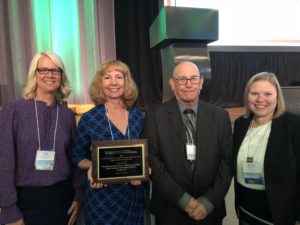
2018 AWARD WINNER
Combatting Retail Sales of Synthetic Drugs, North Coastal Prevention Coalition, California

Tracy Flinn (NASADAD), Erica Leary (NCPC), John Byrom (NCPC), Michelle Nienhius (NPN-South Carolina)


The North Coastal Prevention Coalition (NCPC) has facilitated community-level prevention strategies in the cities of Carlsbad, Oceanside, and Vista in North Coastal San Diego County since 1993. Coalition efforts focus on environmental prevention strategies in order to change the community norms, access, and availability that contribute to substance use problems.

The application detailed NCPC’s efforts to reduce the retail sales of synthetic drugs, particularly those designed to mimic marijuana, like K2 and spice. NCPC first learned about synthetic drugs like spice and bath salts back in 2009, when staff at an afterschool program explained that their students were using it as a ‘legal’ way to get high. High school kids were buying spice at local gas stations and convenience stores and were selling it to middle school students.

NCPC embarked on a multi-year effort to address this new and emerging substance, and worked with partners at the local, regional, state and federal level. Initial approaches began with increasing public awareness and partnering with local law enforcement agencies to urge local retail outlets to stop selling these dangerous products. Youth advocates were trained to conduct store assessments and purchase attempts and make follow up visits. Though these efforts had some success in reducing availability from corporate stores, other retailers like independent markets, liquor stores, and head shops continued to profit off these products since the laws and enforcement could not keep up.

After California law changed in January 2012 to prohibit the sale of synthetic cannabinoid compounds, NCPC worked with law enforcement to put retailers on notice that these products were illegal. By June 2012, most of the stores came into compliance. But two headshops and two smoke-shops in Oceanside did not comply.

After a string of medical calls for service in downtown Oceanside in 2015, the business association, law enforcement, the City Attorney, and NCPC collaborated to craft a local ordinance that would give additional tools to crack down on illegal sales. Rather than focusing on a class of chemical compounds, the local ordinance included pricing and packaging, and attached a $500 fine per package for violators. This was a critical step to eliminate these products from local stores and resulted in a dramatic decline in calls for service – from 181 between January 2013 and April 2016 (when the ordinance was adopted) to 9 from May 2016 to August 2017.

EXEMPLARY AWARDS ARCHIVE 2003-2017